What Europe can learn from the Gulf’s approach to AI
 Sahem Azzam
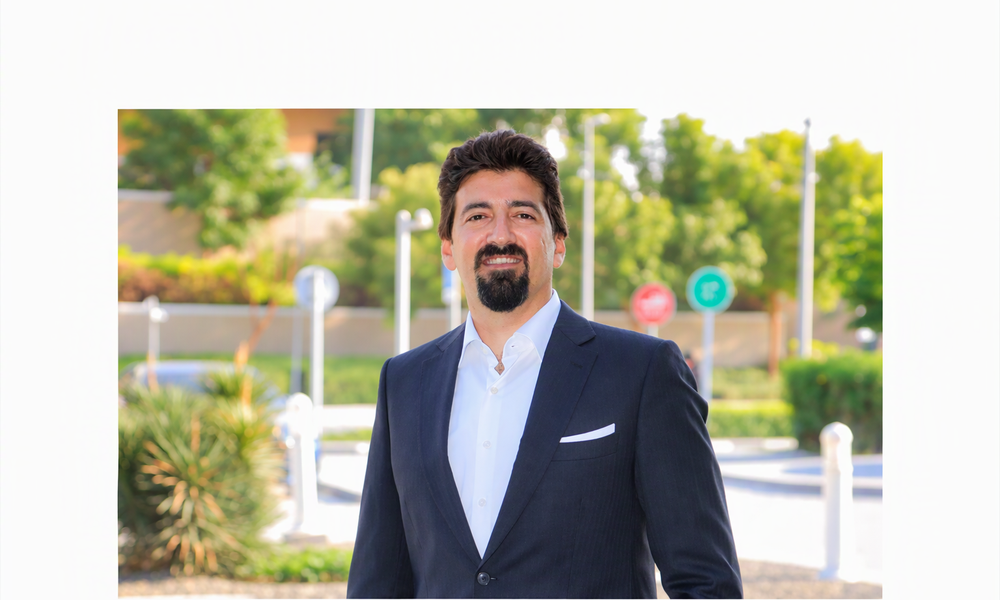
What Europe can learn from the Gulf’s approach to AI
Europe and the Gulf are investing billions of dollars in AI infrastructure to strengthen their position in the global AI race. But while both regions may be backing similar technologies, the conversations around them are quite different. Across much of Europe, the focus tends to be on improving productivity and making existing processes cheaper or faster. In the Gulf, businesses are looking further ahead and exploring what new opportunities AI could create.
That broader outlook is encouraging companies to rethink how they operate, serve customers and create new services. Europe has no shortage of AI ambition, but the Gulf offers a useful lesson in turning that ambition into action.
Stop waiting for the perfect use case
European organisations often want a clear business case and predictable return before moving ahead with AI. That caution is understandable, but it can prevent promising projects
from getting off the ground. Businesses do not need every detail worked out before they begin. A small, focused project can provide early evidence, reveal practical challenges and help build the case for further investment.
This does not mean experimenting without a clear purpose or pursuing every new technology. The wider business goals should serve as the foundation for experimentation, and businesses should have clear guidelines on how to explore new ideas and assess their potential.
We have already seen this approach in action here in the Gulf. In an industrial organisation, AI-powered autonomous operations were tested directly in a live production environment. The trial showed the potential to improve operational efficiency by up to 20% and reduce downtime by 20%, while also lowering operating costs, giving the leadership team real evidence to guide the next stage of investment and deployment.
Europe can learn from the Gulf’s willingness to make decisions, put ideas into practice and let the results guide what happens next.
Innovation starts with the right mindset
Making faster progress with AI also depends on the environment within an organisation. What makes the Gulf stand out is the confidence businesses give their people to explore how technology could improve their work or create new opportunities.
Leaders play an important role in setting a clear direction, giving teams room to develop their thinking and backing the strongest proposals. Employees should feel able to question established ways of working and contribute their knowledge of where technology could make a difference.
That culture needs to extend beyond technology teams. People across the organisation often have the clearest view of the problems facing their department, customers or industry. Giving them a voice can uncover opportunities that a centrally led AI strategy might miss.
We are seeing this mindset first-hand with one of our customers here in the Gulf. Rather than keeping AI innovation within the technology team, they are bringing business users together with both local and global AI partners to test and refine new ideas before they are rolled out more widely. That collaboration means the technology is being shaped around real business needs from the outset, while employees who understand those challenges best have a direct role in determining where AI can create value.
For European organisations, creating that culture will be just as important as choosing which technologies to invest in.
Build for what’s next
The Gulf continues to expand its physical and digital infrastructure, from new cities and ports to cloud and connectivity. With fewer legacy constraints in many areas, businesses have more scope to build open architectures designed with future growth in mind.
This starts with trusted digital foundations that bring connectivity, cloud and data together around clear business goals. Organisations can then introduce new technologies when they become useful, without having to rebuild their entire environment.
That flexibility will become even more important as AI develops. No one can predict exactly how the technology will evolve over the next five years, so businesses need an architecture that can accommodate new platforms, capabilities and ways of working.
Europe may be starting from a different position, but the same principle applies. Making legacy infrastructure more adaptable can give businesses greater freedom to introduce new tools and ways of working, without requiring wholesale replacement. The organisations that stand out will be those ready to respond, wherever technology goes next.
Learning to embrace experimentation
The Gulf’s advantage lies in its willingness to act, learn and adjust, even when the outcome is uncertain. That confidence is supported by a culture that welcomes new thinking and digital foundations built to evolve with technology.
Europe does not need to follow the same path or begin from the same starting point. But as AI develops, success will depend on more than the amount of money invested. The ability of European organisations to put ideas into practice, learn from the results and respond quickly to new opportunities will matter just as much.